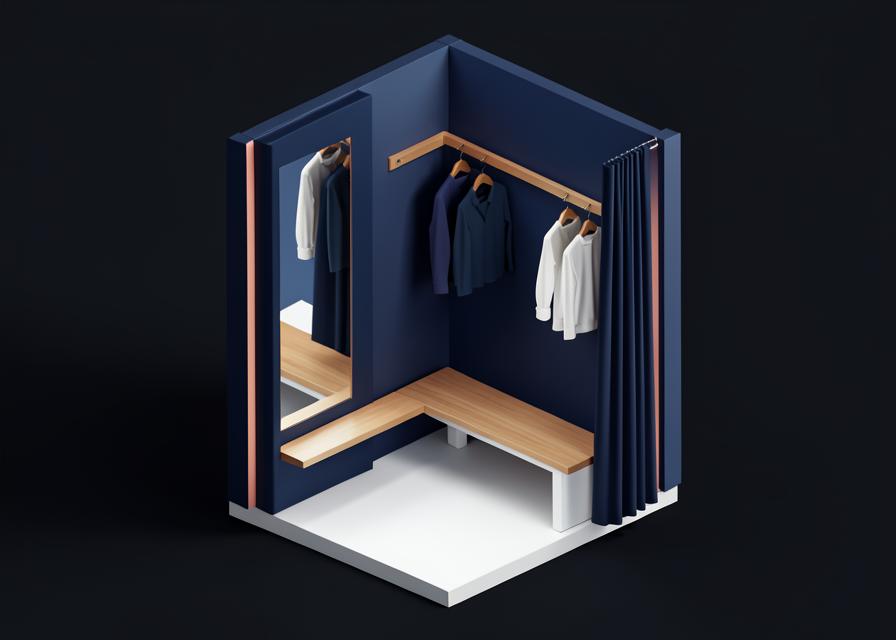
Real world
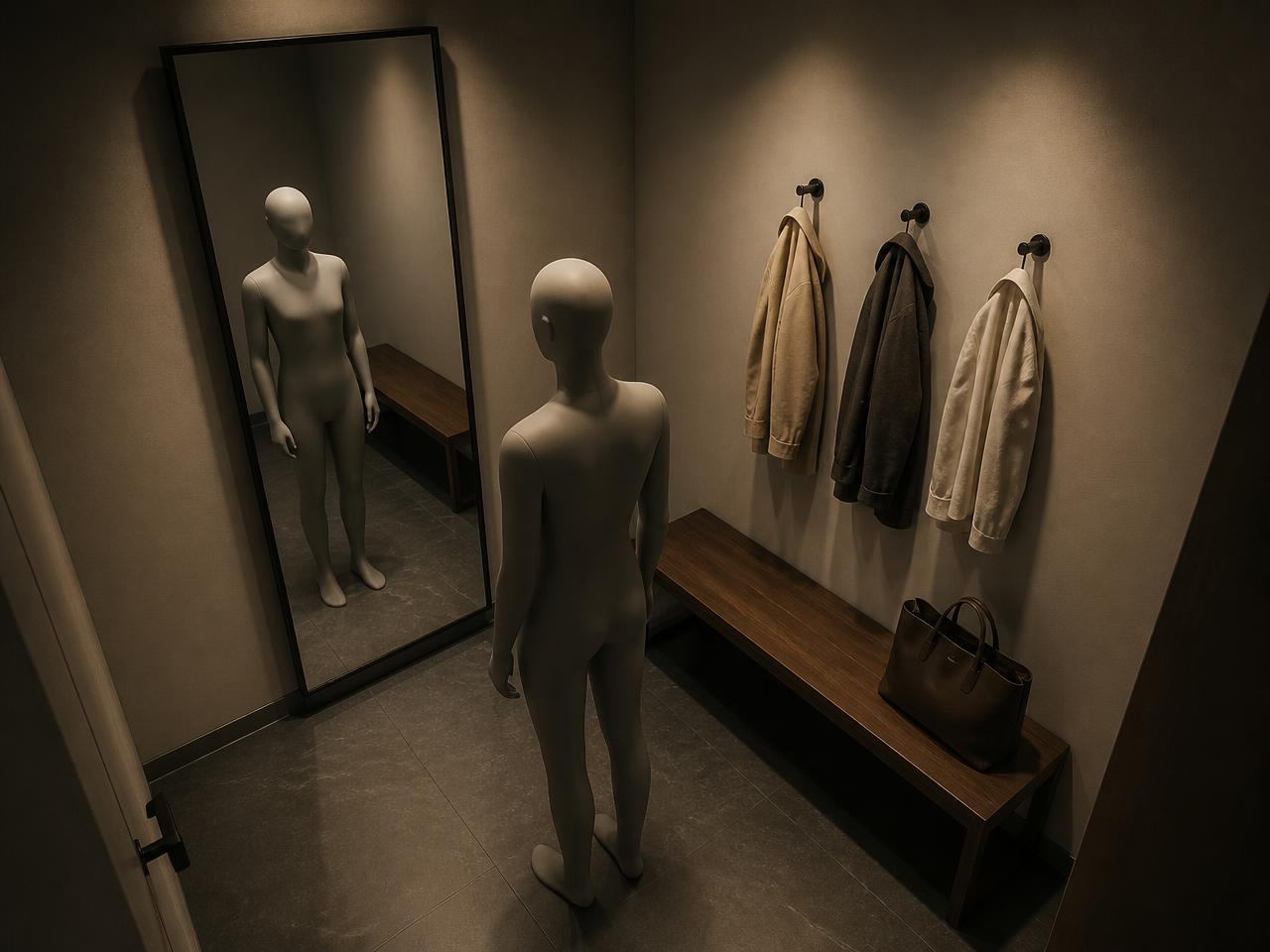
A person enters a fitting room carrying garments. This is the scene — illustrated, never recorded.
IllustrationNo capture
Low-cost, self-configuring Spatial AI for fitting rooms, restrooms, hospitality, healthcare environments and industry.
No video leaves the room — because no video is created.
No RGB video. No face recognition. Anonymous event-level analytics by design.
Live event stream
Anonymous, event-level output
See the difference
A person enters a fitting room carrying garments. Follow the same moment from physical world to spatial intelligence.
A person enters a fitting room carrying garments. This is the scene — illustrated, never recorded.
mmWave point cloud and range-Doppler-style returns, ultrasound echo arcs, and optional Wi-Fi CSI waveform. Physical signal, no pixels.
Local inference turns those signals into an anonymous event sequence — the only thing the system keeps.
Why now / the gap
There is a gap between sensors that see too much and sensors that barely see anything at all.
Rich data, heavy burden
Presence only
Anonymous spatial understanding
How it works
A single node combines 60 GHz mmWave radar, ultrasound/acoustic sensing and optional Wi-Fi CSI / ToF. Nothing it produces is an image.
60 GHz mmWave radar + ultrasound/acoustic sensing, with optional Wi-Fi CSI and ToF modules for extra spatial detail.
Local inference on ESP32-class edge hardware turns raw physical signals into anonymous features and events — in the room, in real time.
The node learns a baseline of the room: its normal geometry, normal rhythms, normal occupancy — so it can detect what changed.
Periodic sync to a more powerful edge/cloud model updates the spatial model — a digital twin of the environment's physical state.
Designed so rapid inference stays local and only anonymous event-level data leaves the room.
One node or many
Nodes auto-discover each other, self-calibrate and fuse their observations. Coverage grows without a redesign.
Fitting room, restroom cubicle, single office. One node covers the volume.
Hotel room, clinic room, small retail zone. Two nodes reduce blind spots.
Open floor, industrial cell, multi-zone area. Four nodes handle occlusion and long spans.
Add nodes only when coverage requires it.
Simple installation
Power and Wi-Fi, mount on wall or ceiling, calibrate, go.
Self-configuration
Nodes map their own view of the room and set zone boundaries automatically.
Automatic fusion
Designed so multiple nodes merge observations into one shared spatial state.
Add only when needed
More nodes for more coverage or harder occlusion — never required by default.
Levels
Level 1 is the working foundation. Levels 2 and 3 are prototype targets — capabilities the platform is designed to deliver as models are validated.
Physical Δ
The node learns a baseline, then reports the difference — without ever forming an image of the person who caused it.
Drag the handle
Baseline
After exit
Output
Δ Zone BPhysical change detection is a prototype-target capability the system is designed to deliver.
Use cases
Every scenario below is served by the same node and the same anonymous event model.
Node 01Occupancy, dwell time and interaction patterns — plus possible item-left-behind and room-state change detection. No cameras while people change clothes.
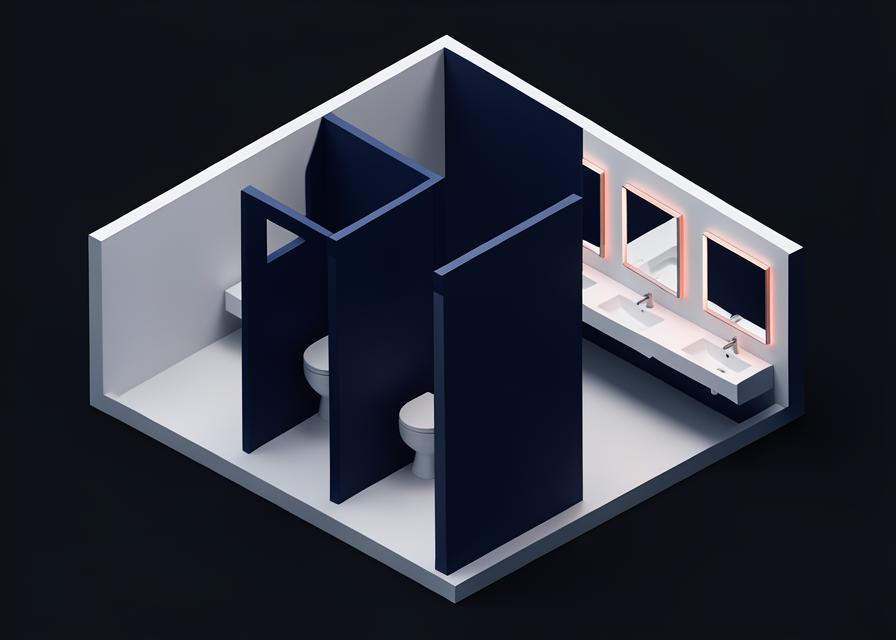 Node 01
Occupancy, peak times, dwell, utilization and activity patterns. Can enable cleaning triggers and anomaly detection — without video.
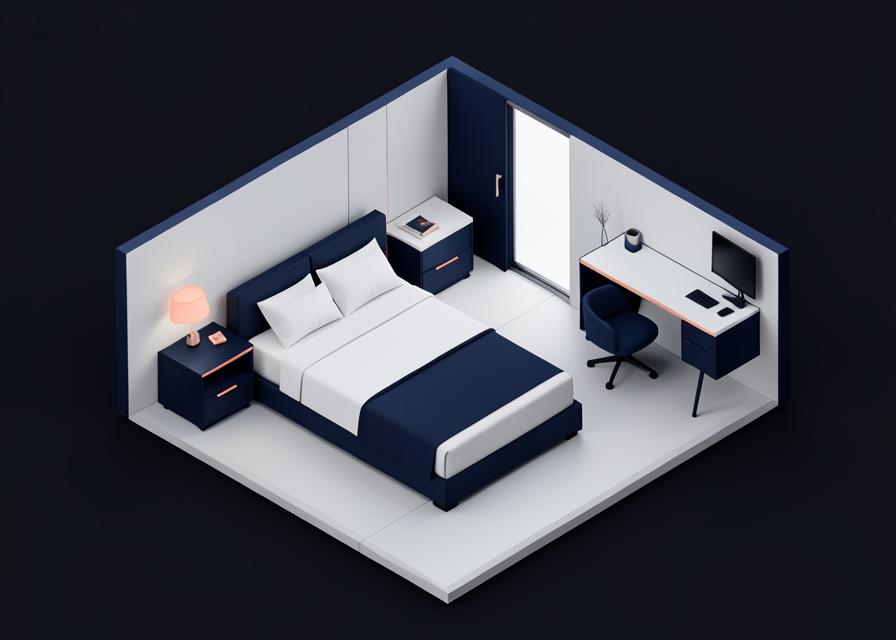 Node 01
Anonymous occupancy, room-state change between sessions, and operational insight for housekeeping. Optional multi-node coverage for suites.
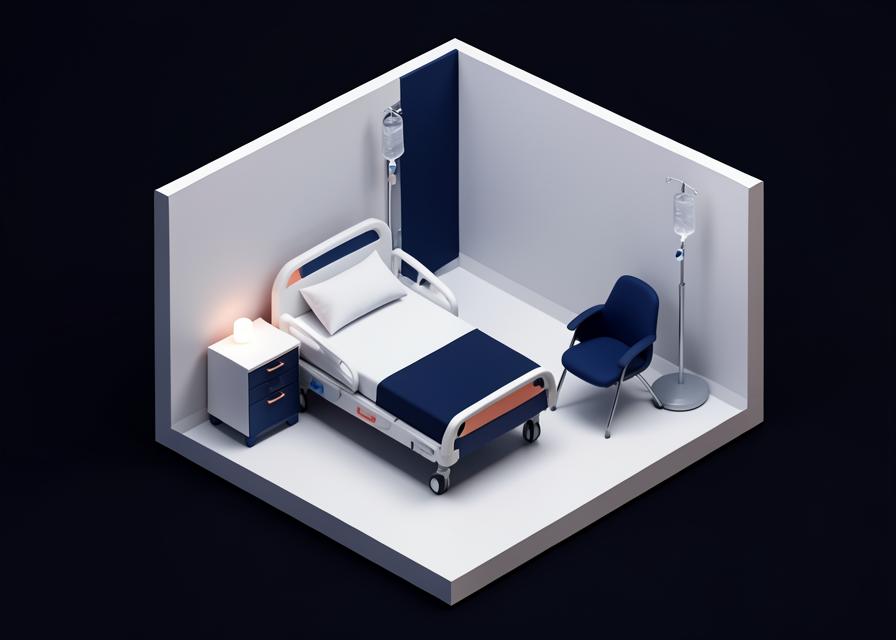 Node 01
Movement, bed and room activity, and prolonged inactivity signals. Fall-like-event detection is a research direction — a future, validation-dependent capability, not a medical device or diagnosis.
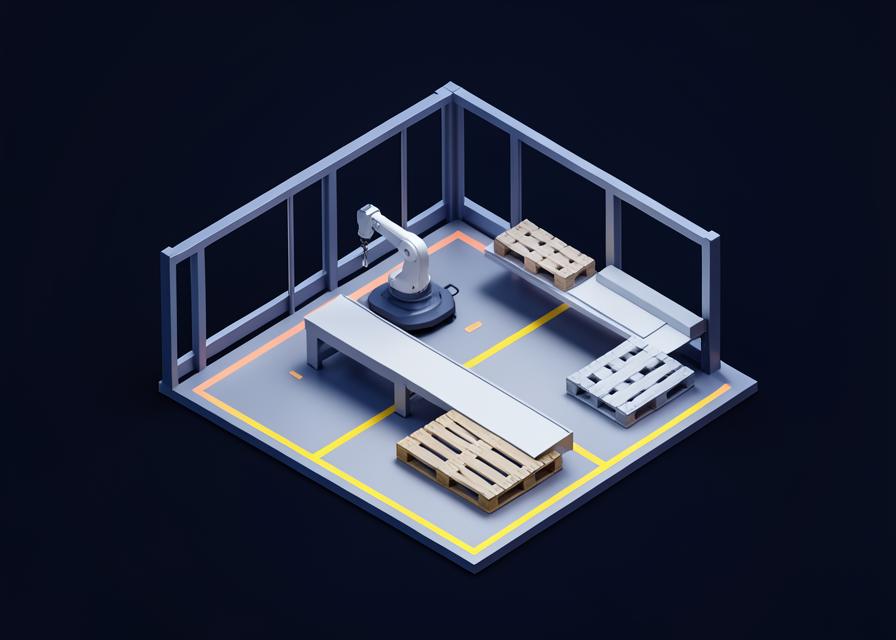 Node 01
Anonymous zone activity, procedure sequence as Proof of Physical Work, and obstacle or physical-state change in controlled areas.
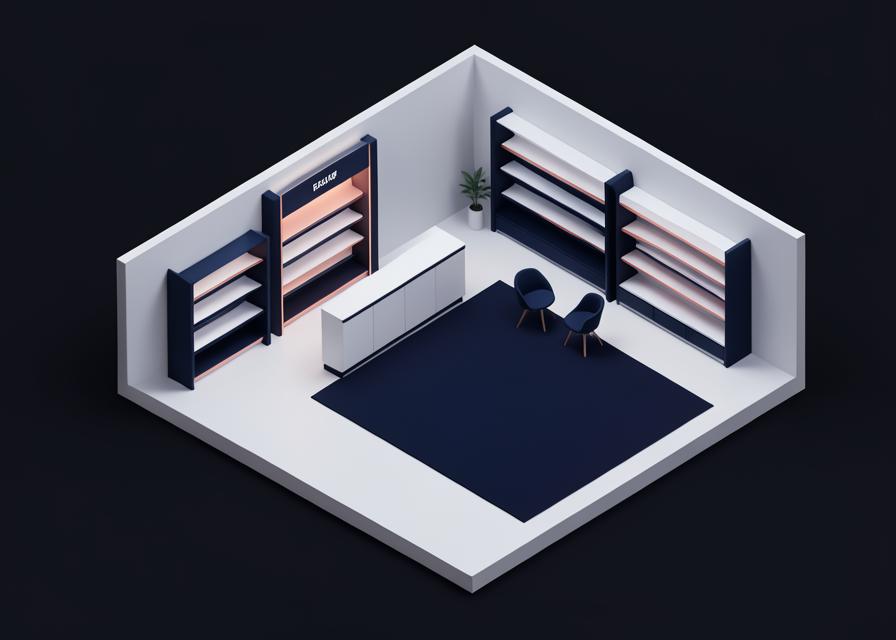 Node 01
Zone-level behaviour analytics designed for places where a camera would be undesirable or simply not allowed.
The node
Conceptual layout — not final industrial design.
ESP32-class edge MCU
Local feature extraction and inference
60 GHz mmWave radar
Range, motion and micro-movement returns
Ultrasound TX / RX
Acoustic echo for geometry and object change
Optional Wi-Fi CSI / ToF
Modular add-ons for extra spatial detail
Power + Wi-Fi
Single supply, standard wireless connection
No dedicated GPU per room. No camera module. No image sensor of any kind.
Simple to deploy
A compact node goes up high in the room like a detector — no camera, no wiring project, no GPU in the space.
Step 01
Wall or ceiling, high in the room, in minutes.
Step 02
One low-voltage supply. No dedicated cabling project.
Step 03
Standard Wi-Fi. The node joins the site and appears in the platform.
Step 04
The node maps its own view, sets zone boundaries and learns the room baseline.
Add another node when you need more coverage.
Auto-fusionPrivacy by architecture
Privacy here is a consequence of the sensing stack, not a setting. This describes the architecture — it is not a claim of guaranteed regulatory compliance.
RGB video
No RGB video · No face recognition
Anonymous features & events
Features · Events
Never images.
No RGB video. No face recognition. Anonymous event-level analytics by design.
The innovation
The long-term innovation is a continuously learning spatial model plus multimodal sensor fusion — not the node alone.
Radar, ultrasound and optional Wi-Fi CSI / ToF are fused into one coherent read of a space — each modality covering the others' blind spots.
The system learns a baseline and reports what changed against it: geometry, objects, room state — the difference, not the picture.
Cheap nodes handle fast local inference; a periodic deeper model refreshes the spatial model and digital twin of the environment.
Long-term moat
A multimodal spatial dataset built from real environments, and spatial models that become reusable across new rooms, buildings and verticals.
From one space to an intelligent building
Every node learns locally. The platform is designed to merge those observations into one unified, anonymous spatial view of the site.
A single node covers a fitting room, restroom cubicle or small office: occupancy, anonymous flow, dwell and physical change against a learned baseline.
Add nodes for long spans, occlusion and multi-zone layouts. They auto-discover each other and are designed to fuse into a single room state.
Rooms become a floor: comparable metrics per space, anonymous movement between zones, and operational patterns across the whole area.
A periodically refreshed spatial model — a digital twin of physical state — designed to span the entire site, still without images or identities.
Anonymous, event-level data only. Reusing learned spatial models across new spaces is a design goal as deployments grow.
We are selecting pilot partners for fitting rooms, restrooms, hospitality, care environments and industrial zones.
www.nextop.cloud